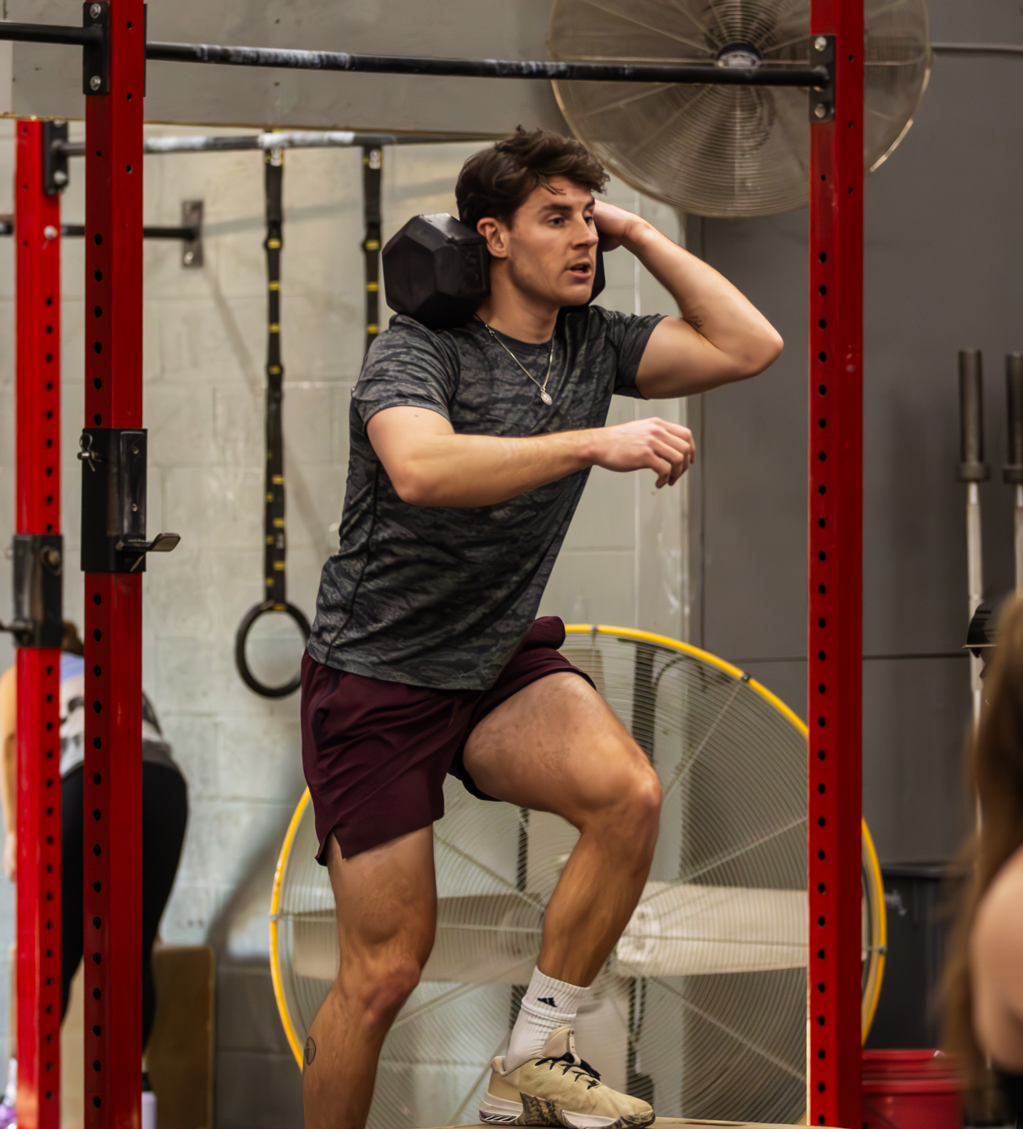
Think of your goals like juggling pins in slow motion. The pin you throw is your current focus — it rises, then falls back down while the others stay in the air. Aspects you prioritize lift higher; aspects you ignore drift lower. The fitter you become, the higher all your pins fly. Ignore one too long and it hits the ground, harder to pick back up. This juggling frame helps us accept that progress is uneven, multi-dimensional and not a straight line.
We can’t measure anything without a starting point. Let’s unpack a common goal: losing five to ten pounds. It sounds simple — a modest, manageable target that many people could reach in 1–3 months. The problem is it isn’t multifaceted. Why do you want to lose the weight? What will change because of it? Is the goal temporary or permanent? What routine and habit changes will you make?
If you don’t answer those questions, measuring progress gets murky. Daily ups and downs happen for obvious reasons: extra salt, late nights, stress, or just normal water retention. One night out and a higher number on the scale doesn’t equal failure — it often reflects temporary fluctuation and choices. Use broader metrics than the scale alone: consistency of habits, how your clothes fit, energy, sleep, and body composition trends over weeks, not days.
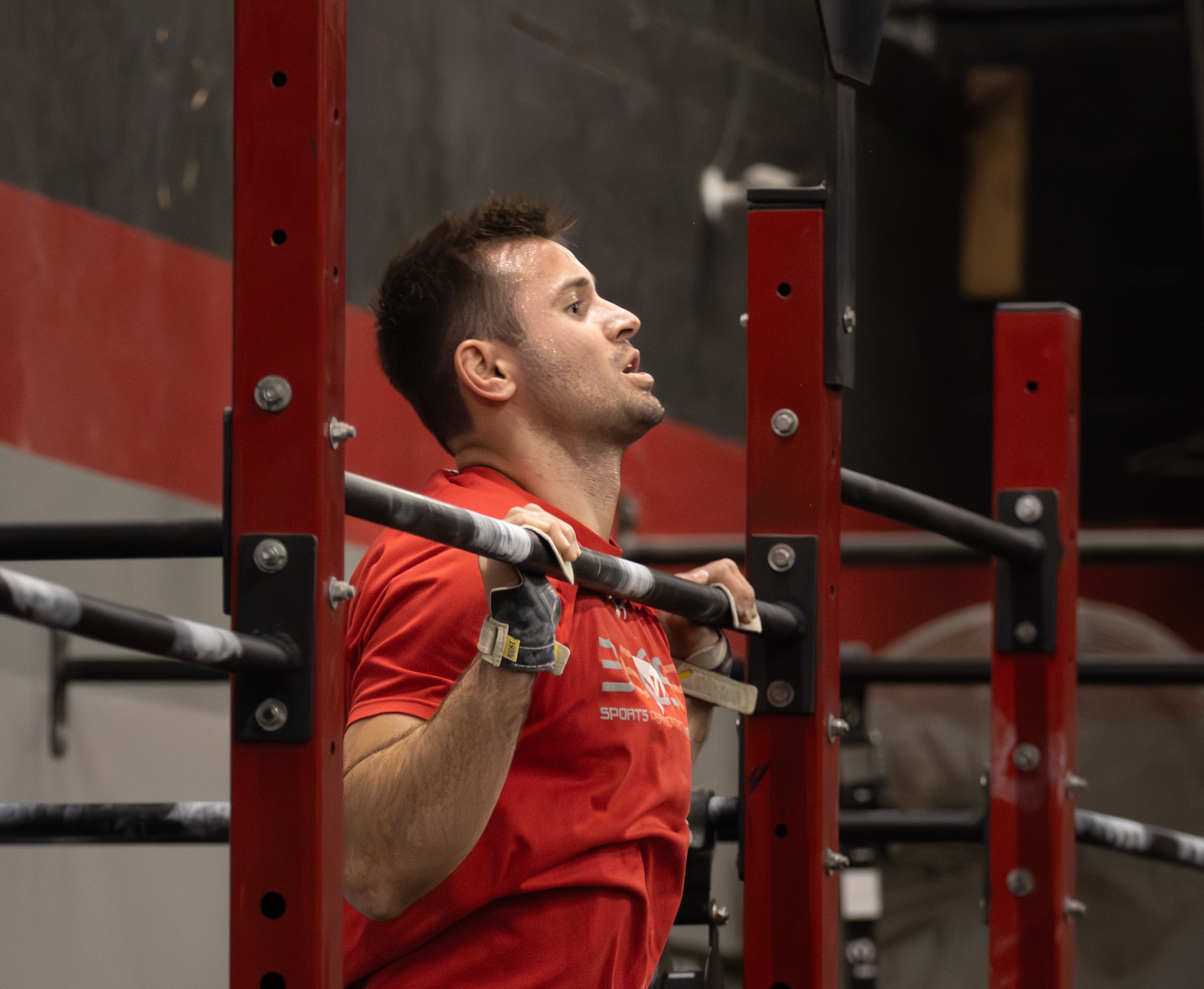
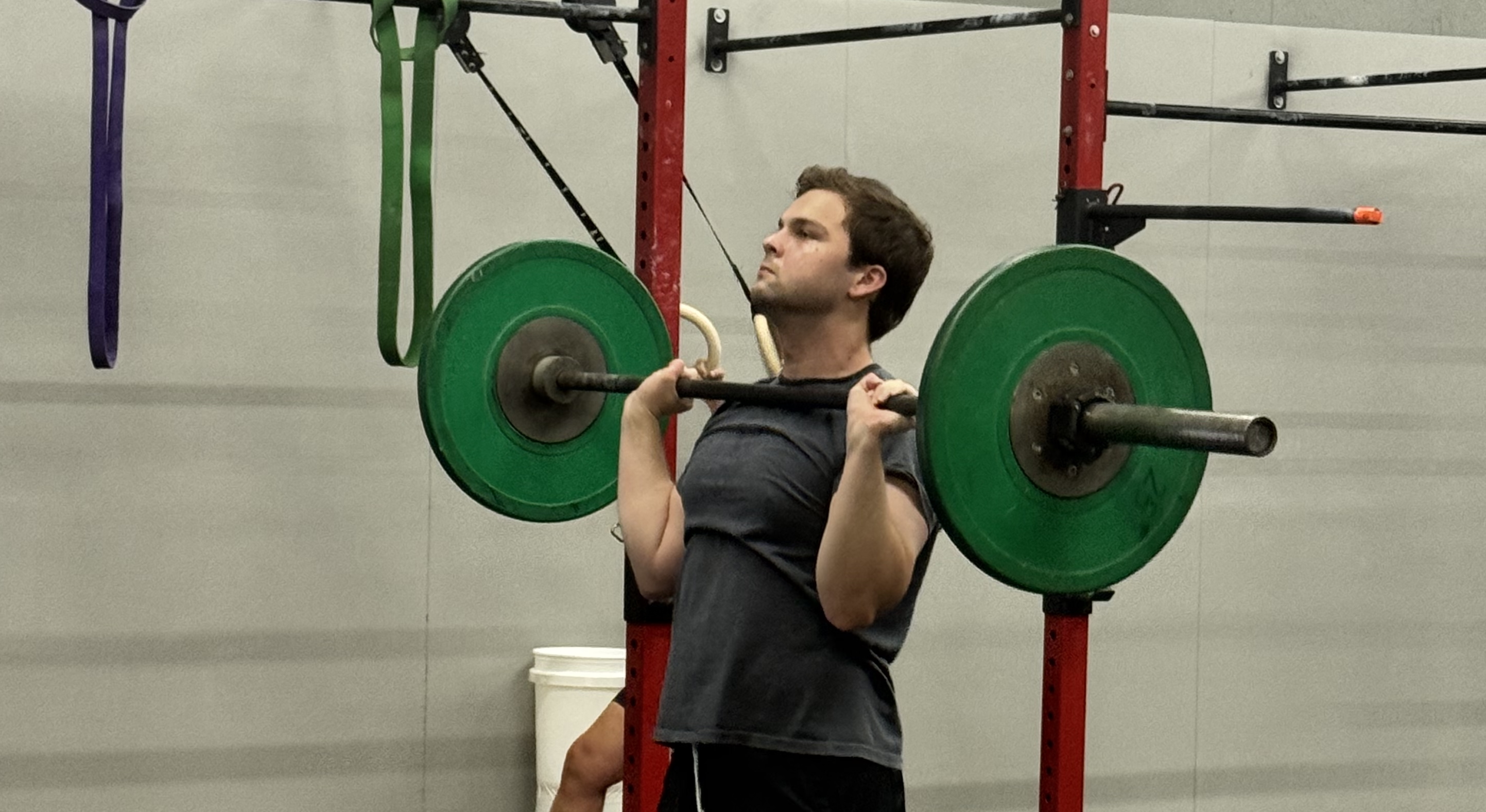
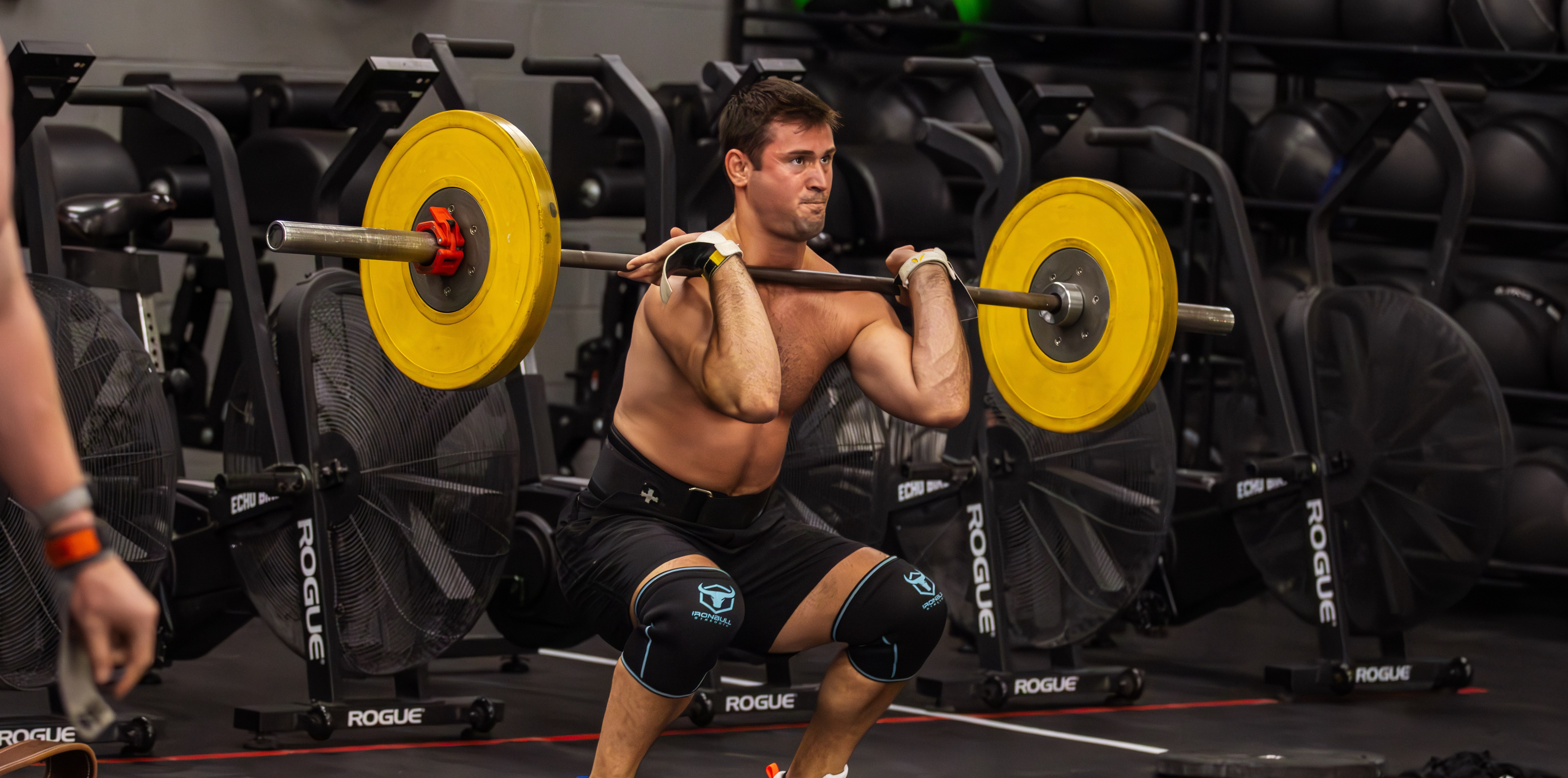
Now apply this to CrossFit and performance. CrossFit mixes skills, strength, conditioning, and mobility — and we rarely repeat identical workouts. Say your goal is to improve Fran (21-15-9 thrusters and pull-ups). Your weak spot is pull-ups, so you spend two months adding strict pull-up volume and butterfly practice. Pull-ups improve, but your Fran time stays the same or worsens briefly because your thrusters fatigue more (you skipped mobility work). That isn’t failure — it’s a trade-off and part of the process. Track a variety of metrics (pull-up reps, thruster sets at target pace, mobility minutes) so you can see gains even when a WOD time stalls. Keep juggling — eventually the targeted work and restored balance deliver the faster Fran time you want.
At times, you may need to take a few steps back. Maybe your pullups stall because of a rotator cuff weakness. This pin is laying on the floor, while your capacity for pullups is still in the air. While you strengthen your rotator cuff and improve pullup form, your capacity pin starts falling. Your shoulders are just too tired from the extra work to keep both pins in the air. With time your rotator cuff gets stronger and you find yourself back at the same capacity you started at, except now your pull ups feel and look better. Your shoulders and neck no longer hurt during recovery. Now it's time to throw that pull up capacity pin back into the air.
When we identify a fitness goal it's important to also identify any areas that contribute to the goal. Strength, skill, sleep, nutrition and consistency could be just a few. If we want to reach our goal, we have to balance juggling these areas until our pins reach our goal height. Ups and downs are normal and part of the process. So next time you feel like you are moving backwards, think about which pin you need to throw in the air next.


.jpg)


.jpg)